
Drawing can be tough, especially when you’re just starting out. You might have all these ideas in your head but struggle to get them on paper. That’s where helpot piirustus mallit come in.
They make it easier for both beginners and experienced artists to create something beautiful.
I’ve seen a lot of people give up because they can’t get their drawings right. It’s frustrating, isn’t it? But with the right templates, you can build your skills and confidence.
This article is based on real feedback from the art community. We’ve gathered practical tips and advice that actually work. So, if you’re looking to improve your drawing skills, you’re in the right place.
We’ll guide you through the best easy drawing templates and show you how to use them effectively. Let’s dive in.
Understanding Easy Drawing Templates
Drawing templates are pre-designed shapes or outlines that you can use to create consistent and accurate drawings. They save time and help you get the proportions right, especially if you’re a beginner.
What Are Drawing Templates?
A drawing template is like a stencil. It’s a tool with cut-out shapes that you can trace around. The purpose is simple: to make your drawings look more professional without spending hours perfecting each line.
Types of Templates
There are different types of templates, each serving a specific purpose:
– Geometric Shapes: Circles, squares, triangles, and more.
– Animals: Outlines of various animals, from cats to elephants.
– Landscapes: Mountains, trees, and other natural elements.
Benefits
Using templates can significantly improve your drawing skills. They help you understand proportions and give you a solid starting point. Plus, they save you a ton of time.
Why spend hours trying to draw a perfect circle when you can use a template and move on to the creative part?
Practical Tips & Examples
If you’re just starting out, try using a geometric shape template. Trace a few circles and squares. Then, add details to make them unique.
This way, you practice creativity while getting the basics right.
For something more fun, grab an animal template. Trace the outline of a cat, for example, and then add your own style—maybe a funky hat or a playful expression.
Landscape templates are great for adding depth to your scenes. Use them to draw a mountain range, and then fill in the details like trees and a river.
Pro tip: Always start with light pencil strokes when tracing. This way, you can erase any mistakes easily and refine your lines later.
Remember, the goal is to learn and have fun. Don’t be afraid to experiment and make the templates your own. After all, helpot piirustus mallit (easy drawing templates) are there to help you, not limit your creativity.
Choosing the Right Drawing Template
Identifying Your Needs: First things first, figure out what you want to achieve with your drawings. Are you practicing a specific style, or do you have a particular project in mind? Knowing your goal will help narrow down the options.
Quality and Variety: When selecting templates, look for clarity and variety. A good template should be easy to understand and offer a range of styles. User reviews can also give you a sense of the template’s quality.
(Pro tip: Check forums and social media for real user feedback.)
Free vs. Paid: There are pros and cons to both free and paid templates. Free templates, like those found on community-driven sites, can be a great starting point.
They’re accessible and often cover a wide range of styles. However, they might not always meet the highest standards of quality.
Paid templates, on the other hand, usually come with better support and more professional designs. They can be a worthwhile investment if you’re serious about your drawing. (Think about it: Would you rather spend a bit more upfront or waste time with subpar tools?)
Where to Find Them: You can find free templates on platforms like DeviantArt or Pinterest. For paid templates, consider specialized marketplaces like Etsy or even design-focused websites. (Just make sure to read the fine print and check for any licensing restrictions.)
Lastly, don’t forget to explore helpot piirustus mallit if you’re looking for something simple and straightforward. These can be especially useful for beginners or quick projects.
Using Drawing Templates Effectively
Step-by-Step Guide: How to Use a Template for Tracing and Practicing
First, pick a template that matches your skill level. You don’t want something too complex if you’re just starting out. Place the template on your drawing surface.
Make sure it’s secure so it doesn’t move around while you’re tracing.
Use a light pencil to trace the outline. This way, you can erase any mistakes easily. Once you have the basic shape, go over it with a darker pencil or pen.
Customization: Tips for Modifying Templates to Fit Your Style and Needs
Templates are great, but they’re not one-size-fits-all. You might need to tweak them to match your style. For example, if you’re into more detailed work, add extra lines and shading.
If you prefer a simpler look, remove some of the details.
Don’t be afraid to experiment. Try different modifications and see what works best for you. It’s all about making the template your own.
Practice Makes Perfect: How to Integrate Templates into Your Regular Drawing Routine
Consistency is key. Set aside a specific time each day or week to practice with templates. Even 10-15 minutes a day can make a big difference.
Incorporate a variety of templates. This helps you develop a range of skills and keeps things interesting.
Pro Tip: Keep a sketchbook dedicated to your template practice. This way, you can track your progress and see how your skills improve over time.
Using helpot piirustus mallit can be a great way to start. They provide a simple, user-friendly approach to get you up and running quickly. Just remember, the goal is to learn and grow, not to perfect every single drawing.
For more tips and resources, check out Thehakegeeks.
Top Easy Drawing Templates for Beginners
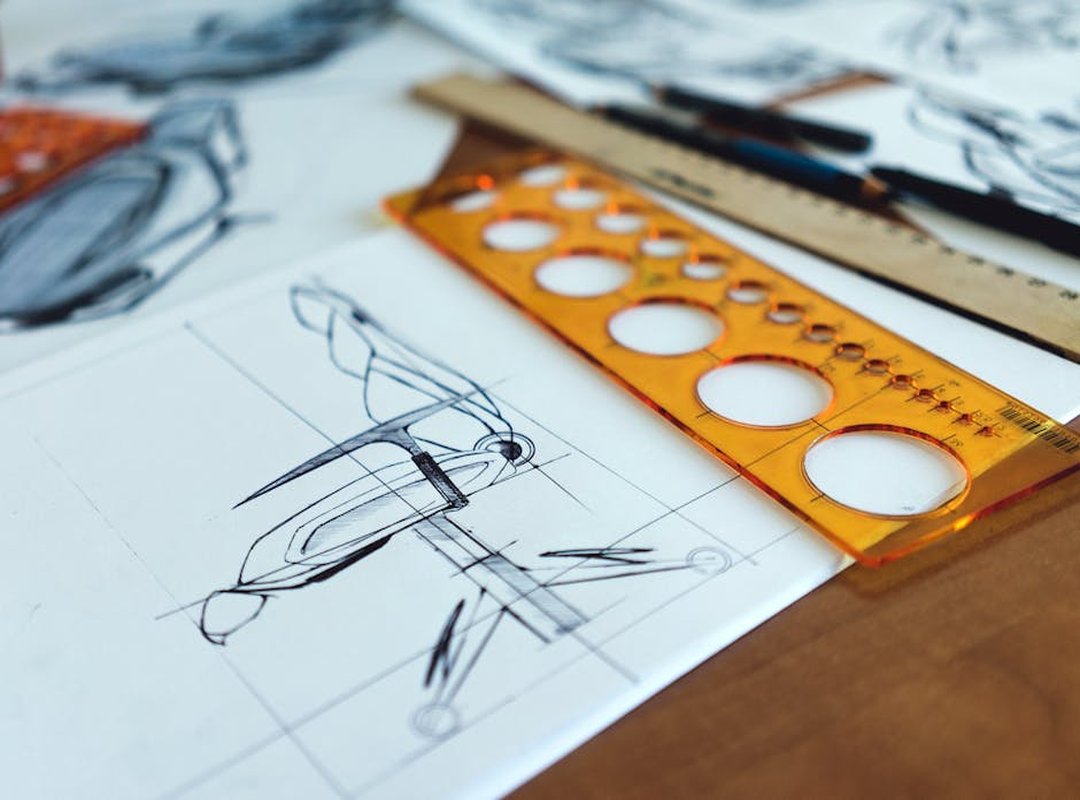
Some folks might argue that using templates stifles creativity. They say you should just pick up a pencil and start drawing. But let’s be real, not everyone feels confident enough to dive in without some guidance.
- Basic Shapes: Templates for circles, squares, triangles, and other basic shapes.
- Animals: Simple templates for common animals like cats, dogs, and birds.
- Landscapes: Basic templates for trees, mountains, and simple scenes.
These templates are like training wheels. They help beginners get a feel for proportions and perspectives. Once you’re comfortable, you can start experimenting on your own.
Sure, there’s something to be said for the raw, unfiltered creative process. But for many, especially those just starting out, helpot piirustus mallit can be a huge confidence booster.
They provide a structured way to learn and practice. And let’s face it, seeing a decent-looking drawing after following a template can be incredibly motivating.
So, if you’re new to drawing, give these templates a try. You might find they open up a whole new world of artistic possibilities.
Advanced Drawing Templates for Experienced Artists
Complex Shapes: Templates for more intricate designs and patterns. These templates are a godsend when you’re trying to add that extra level of detail to your work.
Human Figures: Detailed templates for drawing people in various poses and styles. I remember talking to an artist at a local meetup who said, “These templates help me get the proportions right, so I can focus on the expression and movement.”
Urban and Architectural: Templates for buildings, cityscapes, and detailed environments. They’re perfect for setting the scene in your artwork.
One artist told me, “helpot piirustus mallit are great for beginners, but these advanced templates really push my skills to the next level.”
So, whether you’re working on a detailed portrait or a sprawling cityscape, having the right templates can make all the difference.
Enhance Your Artistic Skills with Drawing Templates
Using drawing templates is a fantastic way to build and refine your artistic skills. helpot piirustus mallit can be especially beneficial, offering a structured approach that both beginners and experienced artists can appreciate.
Templates provide a foundation, making the process less intimidating and more enjoyable. They help in understanding proportions, perspectives, and details, which are crucial for any artist.
Explore a variety of templates to see what resonates with you. Experimenting with different styles and subjects can lead to new inspirations and techniques.
 There is a specific skill involved in explaining something clearly — one that is completely separate from actually knowing the subject. Barryster Larsenionez has both. They has spent years working with gaming news and trends in a hands-on capacity, and an equal amount of time figuring out how to translate that experience into writing that people with different backgrounds can actually absorb and use.
Barryster tends to approach complex subjects — Gaming News and Trends, Esports Coverage, Upcoming Game Releases being good examples — by starting with what the reader already knows, then building outward from there rather than dropping them in the deep end. It sounds like a small thing. In practice it makes a significant difference in whether someone finishes the article or abandons it halfway through. They is also good at knowing when to stop — a surprisingly underrated skill. Some writers bury useful information under so many caveats and qualifications that the point disappears. Barryster knows where the point is and gets there without too many detours.
The practical effect of all this is that people who read Barryster's work tend to come away actually capable of doing something with it. Not just vaguely informed — actually capable. For a writer working in gaming news and trends, that is probably the best possible outcome, and it's the standard Barryster holds they's own work to.
There is a specific skill involved in explaining something clearly — one that is completely separate from actually knowing the subject. Barryster Larsenionez has both. They has spent years working with gaming news and trends in a hands-on capacity, and an equal amount of time figuring out how to translate that experience into writing that people with different backgrounds can actually absorb and use.
Barryster tends to approach complex subjects — Gaming News and Trends, Esports Coverage, Upcoming Game Releases being good examples — by starting with what the reader already knows, then building outward from there rather than dropping them in the deep end. It sounds like a small thing. In practice it makes a significant difference in whether someone finishes the article or abandons it halfway through. They is also good at knowing when to stop — a surprisingly underrated skill. Some writers bury useful information under so many caveats and qualifications that the point disappears. Barryster knows where the point is and gets there without too many detours.
The practical effect of all this is that people who read Barryster's work tend to come away actually capable of doing something with it. Not just vaguely informed — actually capable. For a writer working in gaming news and trends, that is probably the best possible outcome, and it's the standard Barryster holds they's own work to.