
Dialing In Competitive Mindset
Raw mechanics can carry you through early matches, maybe even carry a team. But at higher tiers, that edge fades. Everyone has clean aim, fast fingers, tight rotations. What starts to separate winners from the rest isn’t how fast you click it’s how well you think under fire.
Pressure does strange things to people. When the game’s on the line, your ability to stay calm, make smart decisions, and not tilt becomes just as important as your technical skillset. That’s why top players train mental resilience. It’s not fluff it’s survival. Whether it’s breathing exercises, mindfulness, reviewing tilt triggers, or just building routine under stress, the endgame is mental clarity when everything’s shaking.
Game sense turns into a weapon, too. Awareness means more than reading the map it’s anticipating rotations, tracking cooldowns, noticing behavioral patterns. Patience is underrated. Some rounds are won by waiting, holding an angle, or simply not overextending. Game IQ isn’t about flashy plays it’s making the right call two steps ahead.
To climb beyond the plateau, you need more than flick shots. You need a mindset built for war.
Elite Level Team Coordination
Success in high stakes multiplayer games doesn’t come from mechanical skill alone it hinges on elite level coordination and trust. At the highest level, teams that communicate crisply, adapt quickly, and manage emotions effectively consistently outperform those relying on raw aim and instincts.
Communication Protocols That Actually Work
Effective in game communication is structured and intentional not chaotic or reactive.
Use callouts that are specific, consistent, and brief
Designate a shotcaller for critical decision making moments
Develop team language and shorthand to improve speed
Keep comms clear: eliminate emotional clutter and over comments
Tip: Revisit comms after matches to create improvement loops.
Know Your Role And Play It
A well coordinated team functions when each player understands their specific responsibility and adjusts dynamically based on game flow.
Establish roles pre game (entry fragger, support, IGL, etc.)
Respect position hierarchy during in match calls
Rotate responsibilities if team members specialize in different areas
Having clearly understood roles reduces hesitation and makes high pressure execution smoother.
Mastering Real Time Decision Making
When speed and clarity are everything, trust and trigger discipline matter:
Decide who makes mid game calls
Use checks like “ready,” “set,” or timing phrases to sync plays
Practice decision tree drills in scrim sessions
These habits can split the difference between a win and a breakdown in the final round.
Managing Ego, Tilt & Team Dynamics
Even the most talented teams fail if emotional control breaks down.
Conduct post match reviews as a group, not blame sessions
Address performance issues respectfully and directly
Use cooldown periods after frustrating matches
Build a culture that values mutual support and problem solving
Consistency depends on culture winning teams prioritize psychological safety just as much as mechanical precision.
???? Want more? Dive deep into our training formats and real world team case studies in the multiplayer tutorials.
Meta Adaptation & Patch Mastery
If you’re serious about competitive gaming, patch notes aren’t optional reading they’re required study. From small nerfs to sweeping character overhauls, updates can flip the meta overnight. The players who rank up fastest are the ones who grab the patch, test changes immediately, and start adjusting their builds and playstyles before it trickles down to the rest of the ladder.
But it’s not just about reacting fast. It’s about pattern recognition. When a new patch drops, look at what’s subtly creeping into pro play. What are streamers experimenting with in scrims? Join discussion hubs like high level Discords, subreddit megathreads, or team analysis channels. These are your early warning systems. They distill the signal from the noise, helping you dodge post patch chaos and land on stable footing quickly.
Smart players also rely on specific tools stat tracking sites that flag win rate surges, replay databases to compare tactics, and overlays that monitor game state in real time. These aren’t crutches. They’re extensions of a focused player’s thought process.
Adaptation isn’t a moment. It’s a mindset. Stay alert. Test fast. Level up while others are still adjusting their keybinds.
Mechanics That Win Championships
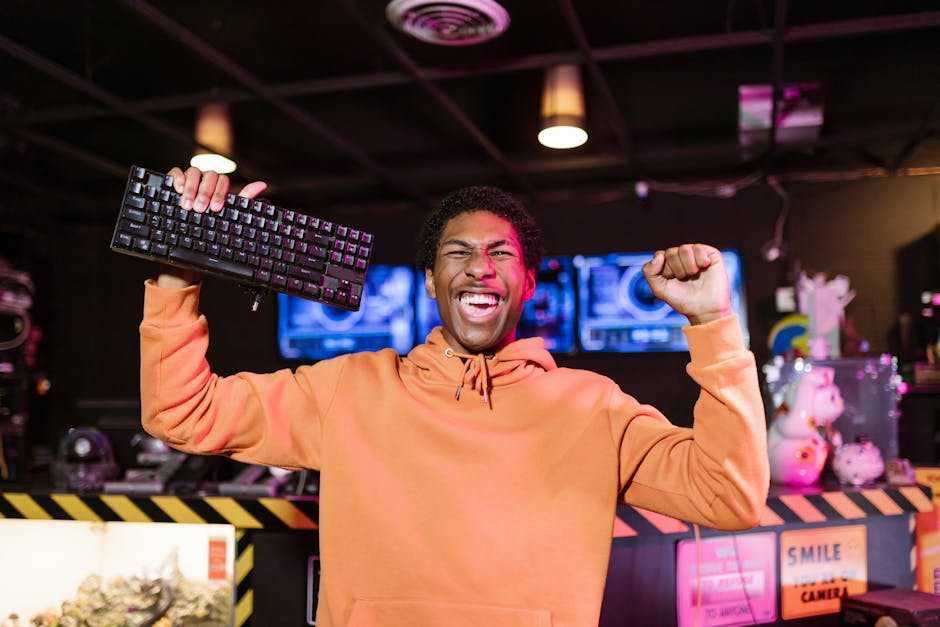
Top tier mechanics aren’t born they’re built. At the highest level, every click, flick, and dodge is trained. And cross training across genres is one of the most overlooked ways to level up. FPS players sharpen raw aim and fast reflexes; MOBA grinders develop micro control, hotkey precision, and rapid decision making; battle royale grinders? They master movement, tracking, and high pressure clutch mechanics. Mix and match these skill sets, and you’re not just improving you’re future proofing.
Repetition drills are the backbone. Pros treat warm ups seriously: 20 minutes of aim trainers, movement maps, or micro skill reps before even queuing a real game. It’s not about grinding until you crash it’s about drilling smart and showing up sharp.
Still think watching replays is boring? That mindset’s holding you back. Replays are brutal mirrors. They show missed rotations, poor positioning, sloppy team fights the stuff you forgot five minutes after it happened. Break it down. Pause. Rewind. Learn. Elite players don’t just play more they study better.
The foundations haven’t changed: execution wins games. But how you train those mechanics? That’s where champions separate from the crowd.
Data Driven Improvement
If you’re not watching your matches back, you’re leaving progress on the table. Self review isn’t about admiring your highlights it’s about finding mistakes you didn’t know you were making. Whether you’re solo queueing or playing scrims, review footage with intention: pause on deaths, bad rotations, missed timings. Ask why, not just what happened.
Third party tools like Aim Lab’s performance insights, Overwolf add ons, or Tracker.gg provide raw data accuracy, positioning heatmaps, reaction times. These aren’t just stats. They’re signals. Combine footage with that data, and patterns start to emerge. Are you whiffing under pressure? Is your map awareness dropping after 10 minutes? Use the numbers to target your practice.
Done right, this process shaves weeks off your skill curve. You’re not just grinding anymore you’re fixing leaks. Want to go deeper? Our multiplayer tutorials break down how pros dissect footage and layer analytics into their daily grind.
Long Term Growth Without Burnout
Playing more doesn’t always mean getting better. Grinding solo queue for ten hours sounds like commitment, but without a plan, it’s just noise. Sustainable practice starts with setting a pace you can stick to not one that leaves you dreading the next session. High level players are blocking time for skills training, reviewing past mistakes, and, yes, walking away when focus drops. Burnout sneaks in when structure disappears.
Solo queue, despite being a personal ladder, is socially exhausting. Random teammates. Tilted games. Blame cycles. If you’re not mentally resetting between queues, you’re carrying more than your rank from match to match. Reset rituals matter get up, stretch, grab water, breathe. It’s simple, but that’s what keeps the frustration from snowballing.
And don’t make “rank up” your only scoreboard. Instead, focus on measurable gains: fewer misplays per game, tighter macro decisions, or higher accuracy in clutch spots. Rank is lagging data it catches up after your skills do. Chase improvement, and rank will follow. Reverse the order, and it’s a fast track to frustration.
Staying Sharp in a Shifting Battlefield
At high levels of play, coasting is not an option. Top tier players stay dangerous because they treat the game like it’s always evolving because it is. Meta shifts, new mechanics, adjusted maps what worked last month might be weak now. The best never stop learning. They treat match history like study tape, keep one eye on the patch notes, and aren’t afraid to unlearn old habits fast.
Tournament prep is its own beast. Ranked ladder is about long grinds, adapting to a rotating cast of randoms. Tournaments demand structured practice, anti strat planning, and perfecting clutch plays under time pressure. Knowing how to lock in during short format sets or ramp through Swiss rounds takes more than skill. It takes discipline.
And then there’s the nerves. Stage fear kills mechanical edge. Even top players drop combos when the lights hit, especially if they haven’t trained their mental. Breathe control, routine, and mental rehearsal matter. Veterans don’t just warm up fingers they rehearse mindset. Because no matter how good you are, if your hands shake under pressure, it’s game over.
Staying sharp isn’t about being flawless. It’s about being focused, adaptive, and mentally rugged especially when the stakes are highest.
 Xandor Ollvain has opinions about gaming news and trends. Informed ones, backed by real experience — but opinions nonetheless, and they doesn't try to disguise them as neutral observation. They thinks a lot of what gets written about Gaming News and Trends, Esports Coverage, Game Reviews and Insights is either too cautious to be useful or too confident to be credible, and they's work tends to sit deliberately in the space between those two failure modes.
Reading Xandor's pieces, you get the sense of someone who has thought about this stuff seriously and arrived at actual conclusions — not just collected a range of perspectives and declined to pick one. That can be uncomfortable when they lands on something you disagree with. It's also why the writing is worth engaging with. Xandor isn't interested in telling people what they want to hear. They is interested in telling them what they actually thinks, with enough reasoning behind it that you can push back if you want to. That kind of intellectual honesty is rarer than it should be.
What Xandor is best at is the moment when a familiar topic reveals something unexpected — when the conventional wisdom turns out to be slightly off, or when a small shift in framing changes everything. They finds those moments consistently, which is why they's work tends to generate real discussion rather than just passive agreement.
Xandor Ollvain has opinions about gaming news and trends. Informed ones, backed by real experience — but opinions nonetheless, and they doesn't try to disguise them as neutral observation. They thinks a lot of what gets written about Gaming News and Trends, Esports Coverage, Game Reviews and Insights is either too cautious to be useful or too confident to be credible, and they's work tends to sit deliberately in the space between those two failure modes.
Reading Xandor's pieces, you get the sense of someone who has thought about this stuff seriously and arrived at actual conclusions — not just collected a range of perspectives and declined to pick one. That can be uncomfortable when they lands on something you disagree with. It's also why the writing is worth engaging with. Xandor isn't interested in telling people what they want to hear. They is interested in telling them what they actually thinks, with enough reasoning behind it that you can push back if you want to. That kind of intellectual honesty is rarer than it should be.
What Xandor is best at is the moment when a familiar topic reveals something unexpected — when the conventional wisdom turns out to be slightly off, or when a small shift in framing changes everything. They finds those moments consistently, which is why they's work tends to generate real discussion rather than just passive agreement.