
Accurate organic carbon measurement is a big deal in industries like water purification, pharmaceuticals, and environmental testing. Inconsistent or inaccurate Total Organic Carbon (TOC) readings can lead to costly compliance issues or flawed research. This article will demystify the 350f toc analysis method.
I’ll provide a step-by-step guide for achieving reliable and repeatable results. Understanding this specific temperature protocol is key to unlocking the full potential of TOC analysis for quality control and safety. You’ll get a clear, no-nonsense breakdown of the process, from sample preparation to interpreting the final data.
What is Total Organic Carbon and Why 350°F Matters
Total Organic Carbon (TOC) is a measure of the total amount of carbon in organic compounds within a sample. Think of it as a purity scorecard for water or a contamination check for chemical manufacturing.
The fundamental principle of TOC analysis is to oxidize the organic carbon into CO2, which is then measured. This process gives us a clear picture of the organic content in the sample.
Why 350°F? This temperature is crucial because it effectively oxidizes specific types of organic compounds without degrading them.
In contrast, high-temperature combustion methods, which can reach up to 1200°C, are more aggressive. They can break down even the most stubborn organic materials but might also introduce errors by decomposing other substances.
The 350f toc method is often chosen for applications involving specific persulfates or catalysts. These lower temperatures are gentler and more controlled, making them ideal for precise measurements where you don’t want to risk altering the sample’s composition.
So, when deciding between methods, consider what your sample can handle. If you need a gentle yet effective oxidation, 350°F is your go-to.
Step-by-Step Guide to Performing a 350°F TOC Analysis
- Instrument Calibration
- Start by calibrating your instrument. Use certified standards to ensure accuracy.
-
This step is crucial. If the analyzer isn’t reading correctly, your results will be off.
-
Sample Preparation
- Collect a representative sample. Make sure it’s truly reflective of what you’re testing.
- Choose the right container. Contamination can ruin your analysis. (Pro tip: Glass or Teflon containers are usually best.)
-
If needed, dilute the sample. Follow the manufacturer’s guidelines for this.
-
System Setup
- Set up the TOC analyzer for the 350f toc heated persulfate oxidation method.
-
Check your reagents. They need to be fresh and properly stored.
-
Running the Analysis
- Introduce the sample into the instrument.
-
Initiate the measurement cycle. Follow the on-screen instructions carefully.
-
Data Collection
- The output data will typically be in parts per million or billion.
- Record all test parameters. This is important for traceability and future reference.
Common Issues and Troubleshooting Your 350°F TOC Test
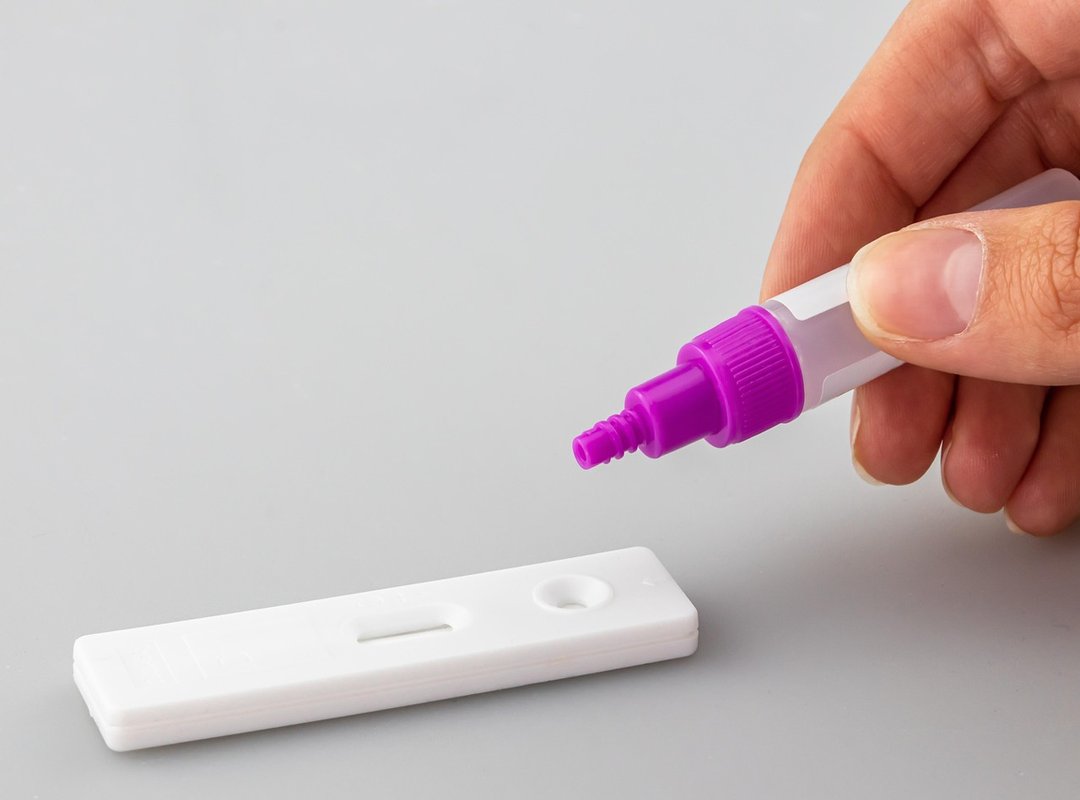
High background TOC or ‘blank’ readings can be a real headache. Trust me, I’ve been there.
First things first: flush the system. Sometimes, it’s as simple as that. If that doesn’t work, try using higher purity water. Thehakegeeks
It makes a difference.
Poor reproducibility or inconsistent results? That’s usually a sign of improper sample handling or instrument drift.
You need to be meticulous with your samples. Any little mistake can throw off your results. And if you suspect instrument drift, it’s time for a recalibration.
Sample matrix interferences are another common issue. Other substances in the sample can mess up the carbon measurement. You need to identify and remove these interferences.
Here’s a quick troubleshooting checklist:
- If your readings are unexpectedly low, check for reagent degradation.
- If they are unexpectedly high, check for detector fatigue or contamination.
Recognizing signs of reagent degradation is key. Look for changes in color or consistency. For detector fatigue, pay attention to any unusual patterns in your data.
When it comes to instrument maintenance, don’t wait until it’s too late. Regular upkeep can save you a lot of trouble.
The 350f toc test is sensitive. Treat it with care, and you’ll get the results you need.
Interpreting Your Results and Practical Applications
Understanding your TOC value is crucial. It’s not just a number; it’s a key indicator of water quality.
A reading below 500 ppb is considered excellent for pharmaceutical-grade water. This means the water is clean and suitable for sensitive applications.
In municipal drinking water, a high TOC reading might indicate potential organic contamination. That’s a red flag. On the other hand, a low TOC reading in semiconductor manufacturing rinse water shows high purity.
This is essential for maintaining the integrity of electronic components.
- Municipal Drinking Water: High TOC suggests contamination. Low TOC means it’s safe to drink.
- Pharmaceuticals: Below 500 ppb is ideal. Anything higher could compromise product safety.
- Semiconductor Manufacturing: Low TOC is critical. High TOC can lead to defects in microchips.
- Food and Beverage: Consistently low TOC ensures product quality and safety.
Trend analysis of TOC data over time is incredibly useful. It helps you monitor a system’s performance and detect issues before they become critical. For example, if you notice a gradual increase in TOC, it might be time to check your filtration systems.
Industries like pharmaceuticals, semiconductors, food and beverage, and municipal water treatment rely on 350f toc analysis. In each, a ‘good’ result means the water meets stringent quality standards. A ‘bad’ result can mean anything from a minor adjustment to a major overhaul.
The TOC result is a critical data point. It guides decisions about safety, compliance, and product quality. Don’t overlook it.
Achieving Confidence in Your TOC Measurements
Accurate 350f toc analysis is an achievable goal with the right process and attention to detail. The key to success lies in proper calibration, meticulous sample preparation, and systematic troubleshooting. By following these steps, you can move from uncertainty to confidence in your water or product quality data.
Before your next analysis, create a simple pre-run checklist based on the steps in this guide to ensure nothing is missed.
 Ask Blainette Bramblett how they got into game reviews and insights and you'll probably get a longer answer than you expected. The short version: Blainette started doing it, got genuinely hooked, and at some point realized they had accumulated enough hard-won knowledge that it would be a waste not to share it. So they started writing.
What makes Blainette worth reading is that they skips the obvious stuff. Nobody needs another surface-level take on Game Reviews and Insights, Gaming News and Trends, Expert Analysis. What readers actually want is the nuance — the part that only becomes clear after you've made a few mistakes and figured out why. That's the territory Blainette operates in. The writing is direct, occasionally blunt, and always built around what's actually true rather than what sounds good in an article. They has little patience for filler, which means they's pieces tend to be denser with real information than the average post on the same subject.
Blainette doesn't write to impress anyone. They writes because they has things to say that they genuinely thinks people should hear. That motivation — basic as it sounds — produces something noticeably different from content written for clicks or word count. Readers pick up on it. The comments on Blainette's work tend to reflect that.
Ask Blainette Bramblett how they got into game reviews and insights and you'll probably get a longer answer than you expected. The short version: Blainette started doing it, got genuinely hooked, and at some point realized they had accumulated enough hard-won knowledge that it would be a waste not to share it. So they started writing.
What makes Blainette worth reading is that they skips the obvious stuff. Nobody needs another surface-level take on Game Reviews and Insights, Gaming News and Trends, Expert Analysis. What readers actually want is the nuance — the part that only becomes clear after you've made a few mistakes and figured out why. That's the territory Blainette operates in. The writing is direct, occasionally blunt, and always built around what's actually true rather than what sounds good in an article. They has little patience for filler, which means they's pieces tend to be denser with real information than the average post on the same subject.
Blainette doesn't write to impress anyone. They writes because they has things to say that they genuinely thinks people should hear. That motivation — basic as it sounds — produces something noticeably different from content written for clicks or word count. Readers pick up on it. The comments on Blainette's work tend to reflect that.